
Looking back to the future with BIOPOLIS in Antarr
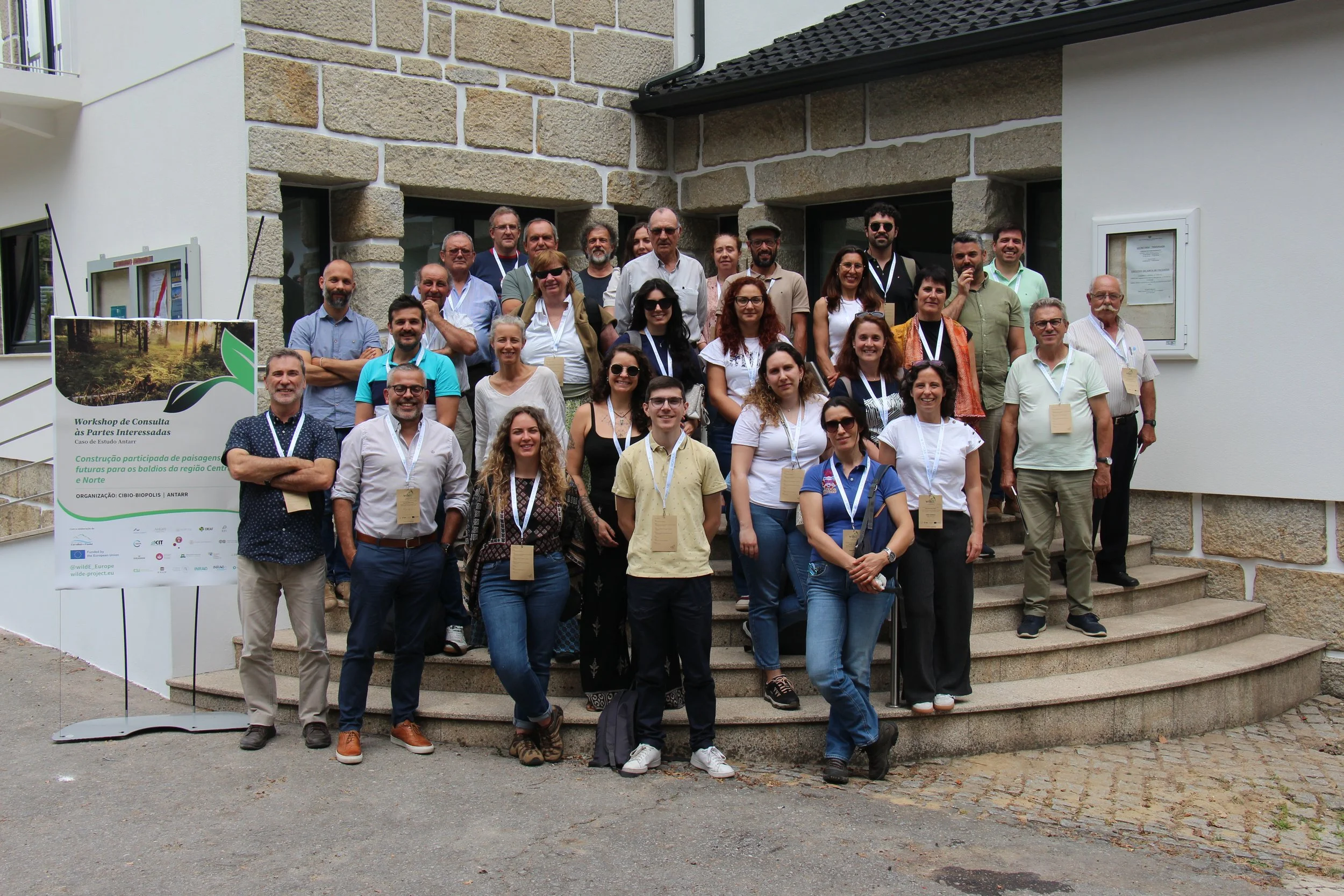
Workshop participants in Antarr
Over summer BIOPOLIS have been leading collaborative engagement with the wildE Antarr case study area community. The work considered the management of baldios (common lands) in central and northern Portugal with the purpose of understanding local perspectives of how the landscape has evolved over time.
The Antarr case study area is unique in that it has been rented by an organisation with the aim of implementing an 80 year adaptive management plan that can balance nature conservation and nature-based solutions alongside forest production whilst maintaining the social and cultural values of the landscape.
26 participants joined the workshop and represented the rich diversity of the local community and stakeholders associated with the area. They included the local common land management community, NGOs, local government and land users from forestry, tourism and renewable energy sectors. This made for a diverse range of views and values which ensured that knowledge exchange and collaboration were an important part of the day. The workshop offered the wildE team an opportunity to understand local perceptions of how the landscape has changed over the last 50 years and how nature-based solutions have been affected by changes in the landscape and land management over time. As well as being reflective, the workshop also enabled participants to consider the future landscape and how it may evolve to become an ideal landscape.
The first workshop session focused on looking at how the landscape had evolved and what had driven landscape change. It provided a chance to consider how nature-based solutions (carbon storage, fire management, biodiversity, and economy) were provided by the landscape at different times depending on how the land was used and managed. Although there were some overarching trends identified there was a range of different perspectives which are being analysed to better understand the relationship between stakeholder groups and their views.
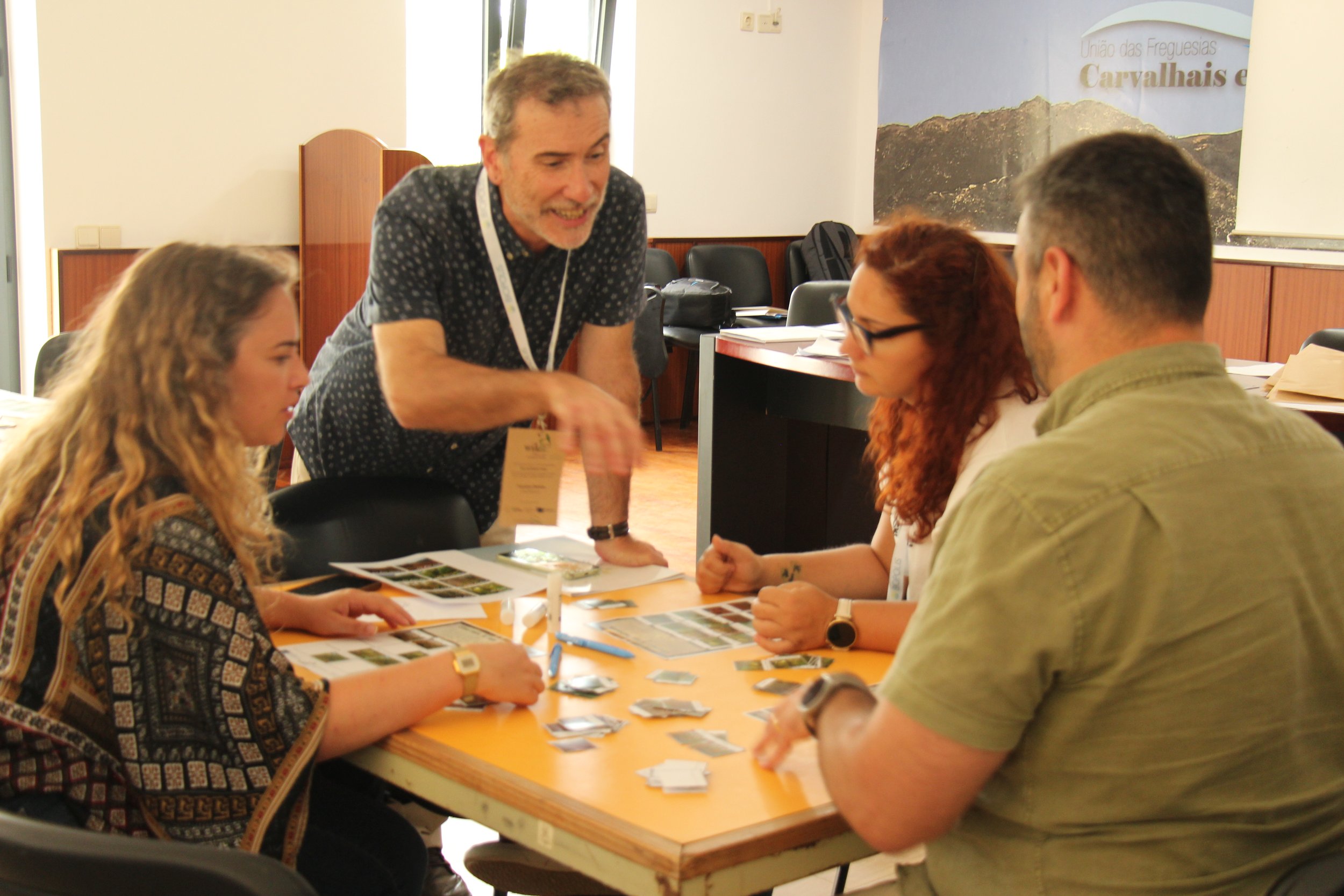
The second workshop session focused on landscape visioning to create an ideal landscape that reflected the perceptions and interests of the participants. Working in groups participants visioned 6 different landscapes that reflected which land uses were preferred by the different stakeholders. There were some commonalities in these visions, e.g. each of the landscapes comprised a mosaic of different land uses, but there were also some key differences. The session closed with the participants voting on the favoured landscape. The chosen landscape model balanced nature values and economic values, it comprised approximately 31% forest production areas (mainly pine, with some eucalyptus), 38% native forest areas (including riparian zones), 25% sparse and low shrubland, and less than 6% of land dedicated to renewable energy infrastructure.
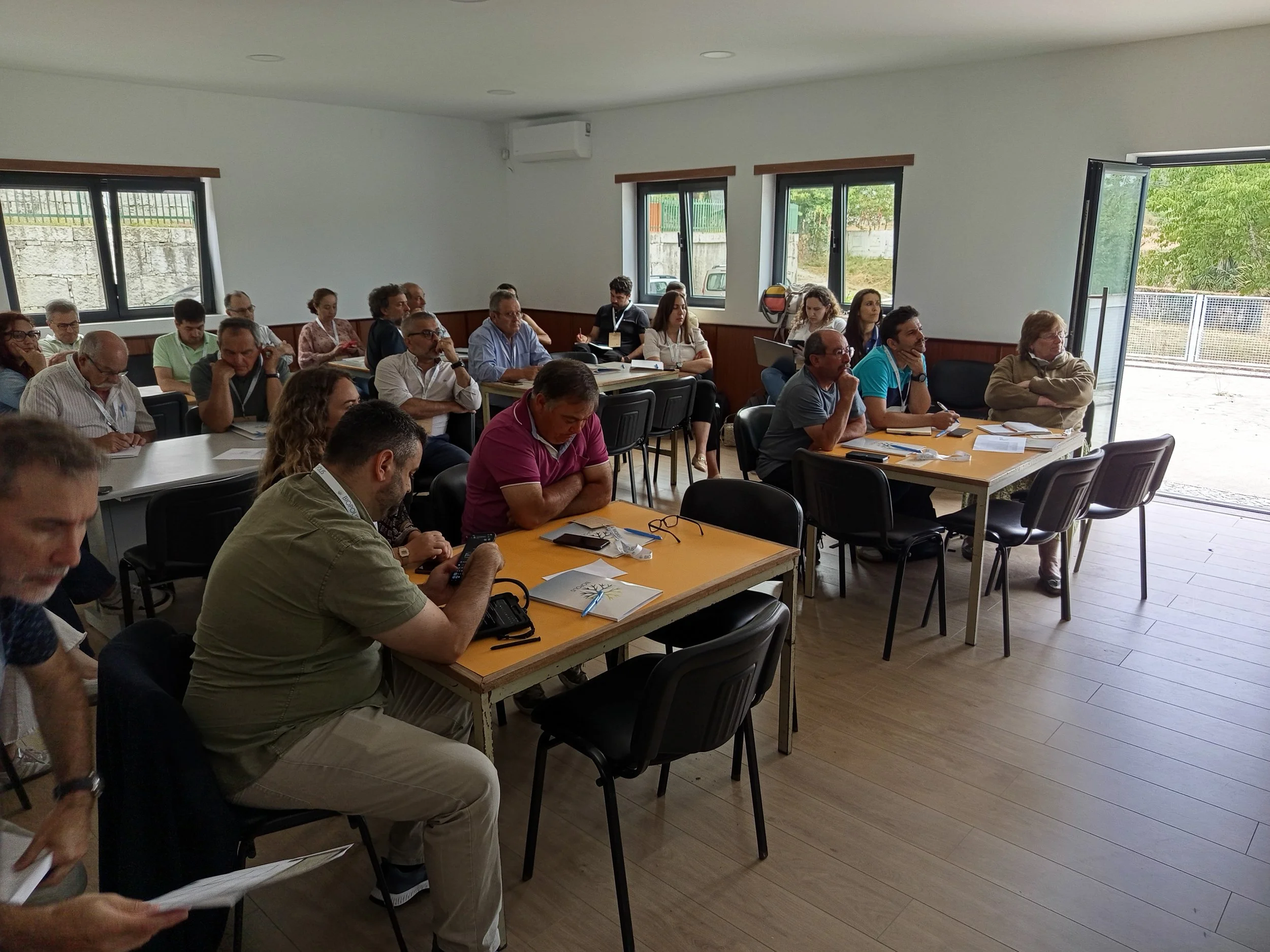
The day provided valuable insights for the case study team and BIOPOLIS. The outcomes will help to inform the modelling of future landscape scenarios and how these balance nature-based solutions. A key objective is to compare the landscape preferences developed by stakeholders with alternative scenarios created by the BOPOLIS researchers. The Antarr team will use the workshop findings to enhance their long term management planning. A follow up workshop is planned to present and discuss results in order to further refine landscape strategies and the future landscape scenarios.