
Restoring natural fire patterns through rewilding
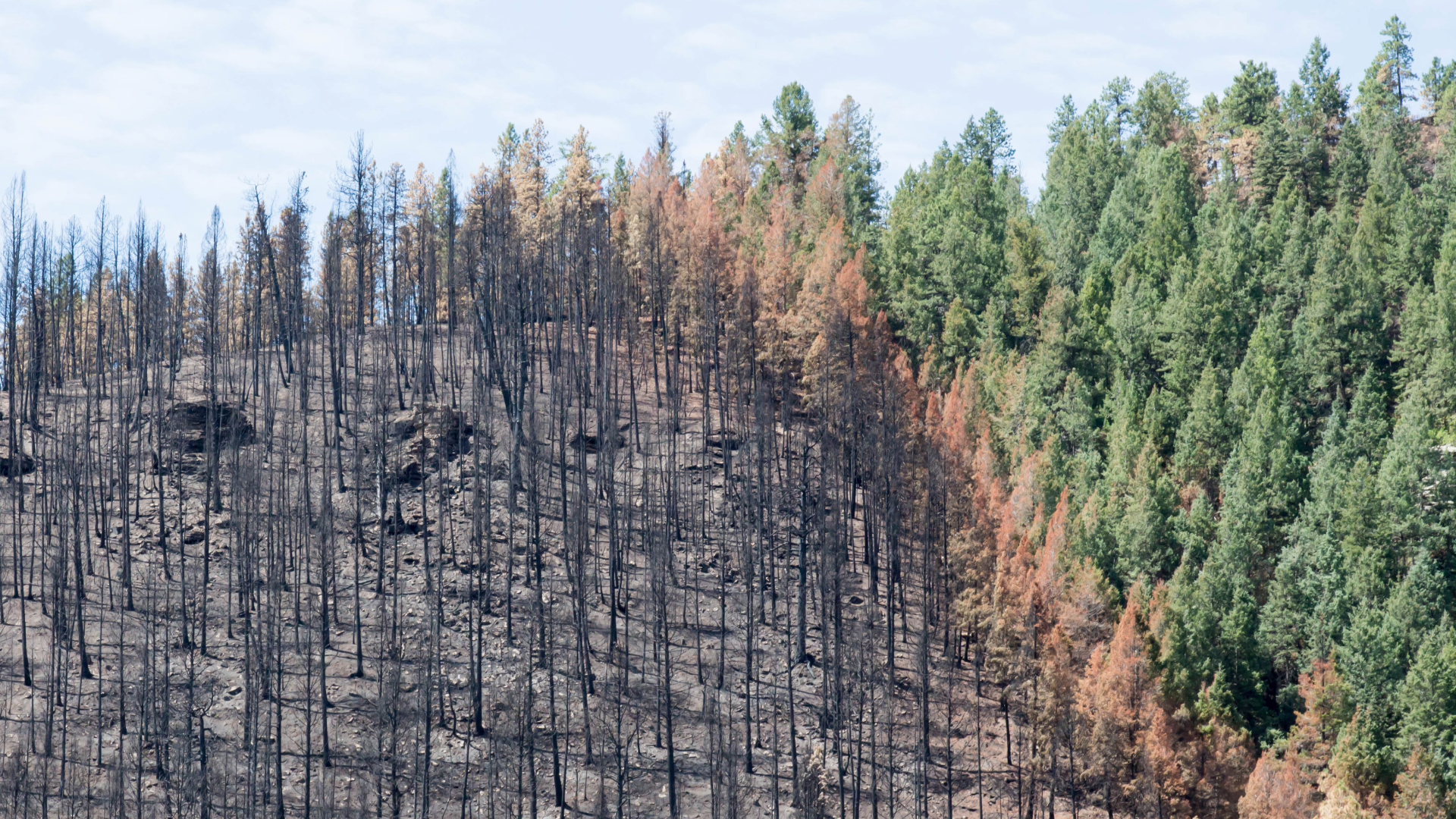
Fire is an important natural disturbance that is necessary for the health of many ecosystems. Fire is essential for many plants and animals' persistence, it can promote dispersal, create new food and habitat resources, and can enable the renewal of forests.
Yet, large scale ecosystem degradation and biodiversity loss caused by climate change and human pressures have altered fire patterns. In just the one week in August, fires have raged across Scotland, Spain and Southern Greece, adding to the 1600 fires recorded in Europe since the beginning of the year. These fire patterns are not normal, and pose a serious risk to the ecosystem services which we all rely on, as well as to human lives and property.
New research from wildE finds that rewilding, by restoring processes that help ecosystems to regulate themselves, can be a complementary, novel approach to restore fire patterns.
How can rewilding restore fire regimes?
Rewilding differs from classical restoration approaches, which might seek to restore or maintain a specific set of species in one place, or to apply or suppress fire mechanically. Instead, rewilding restores the agency and relative role of animals, plants, people, fire, storms, floods and other ecological processes, and the way that they relate to each other and move across the landscape.
By strengthening this web of ecological processes, rewilding promotes a healthy and more self-sustaining, functioning ecosystem. And, although this approach has never been applied specifically to fire before, by promoting healthy ecosystems, these rewilding actions have co-benefits that can support and restore fire regimes.
What rewilding approaches can be used to restore fire?
Rewilding is able to influence fire regimes through three of the four ingredients needed to create a fire event - fuel availability, ignition source and fuel dryness. These elements are determined by both environmental conditions, and also the ecological processes which are intrinsically linked to rewilding.
Fuel availability depends on the vegetative biomass present across the ground, shrub and canopy layers. Consequently, rewilding actions such as recovering herbivores can help to reduce or rearrange fire regimes, as grazing reduces plant biomass.
Ignition sources may also be targeted by rewilding efforts through the reduction, cessation or increase of human activity. For instance, in fire-prone areas, ignition can be rewilded from intensive pressures by adapting frequencies, spatial densities, and seasons. By restoring the role of people in igniting small and patchy fires in fire-prone ecosystems, fire patterns become more diverse, increasing plant and animal diversity as a consequence.
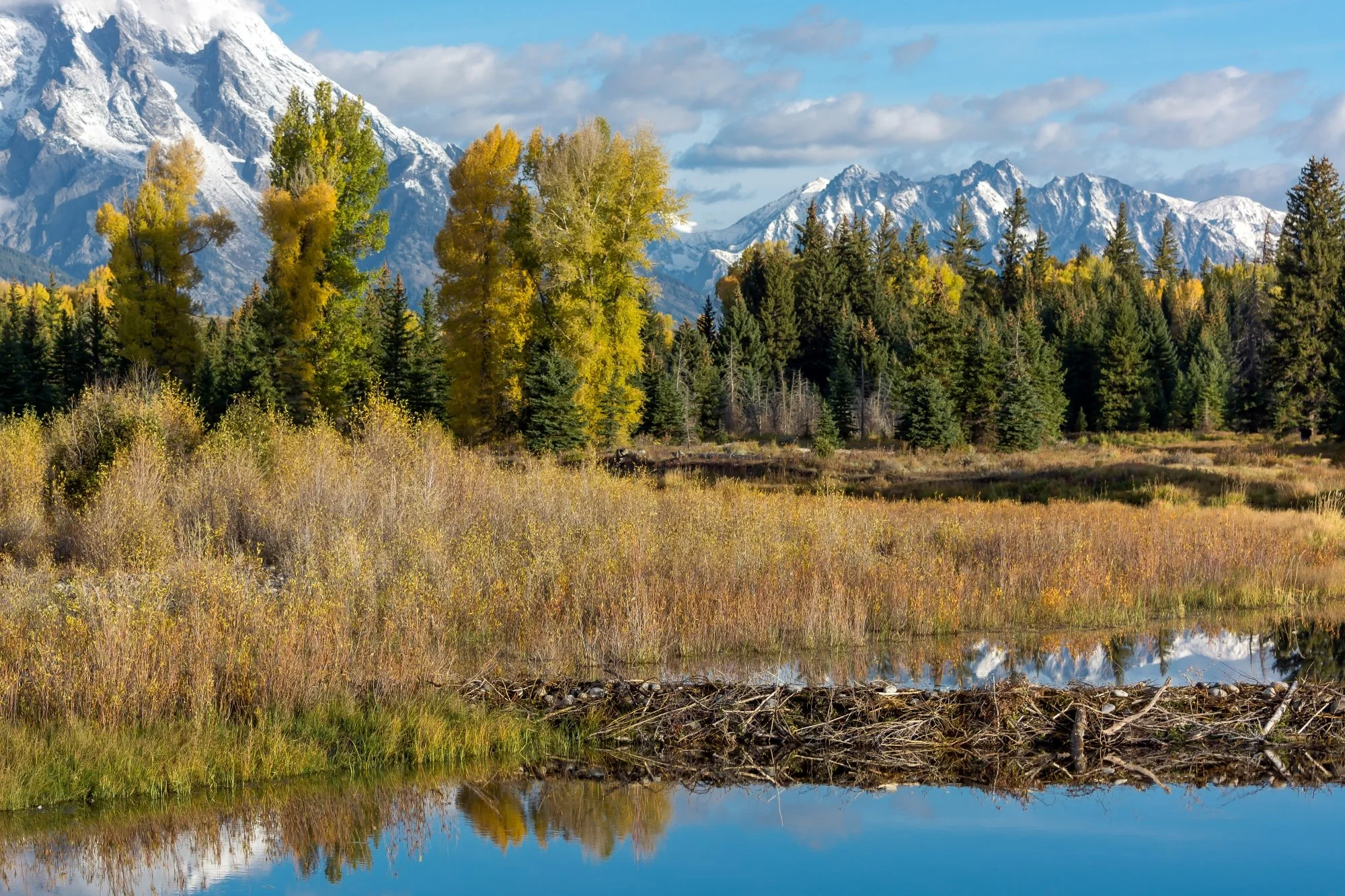
A beaver dam in the Rocky Mountains
Fuel dryness is the moisture in a landscape. It relates largely to the recent climatic patterns, but could also be influenced through rewilding actions which impact hydrology, such as dam removals, lake restoration or animal reintroductions. In the Rocky Mountains, for example, beavers dammed rivers, which reduced the intensity of fire, benefitting biodiversity and water quality.
Additionally, although not an ingredient that determines whether a fire occurs, suppression is another important element as to whether a fire continues to burn once it is ignited. Suppression can be rewilded through reducing the intensity and changing the arrangement of suppression activities, particularly in areas that have experienced a decline in fire frequency, but an increase in high severity fires. For instance, in Yosemite National Park, reducing wildfire suppression reduced the severity of subsequent fires, and had biodiversity benefits like reducing the density of forests, opening the tree canopy, and stimulating the appearance of new plant species.
What might this mean in a changing future?
While rewilding offers interesting opportunities to restore fire patterns and other ecological processes, as the impacts of climate change worsen, so do the intensity, frequency and severity of fire events. Changing weather patterns and decreasing tolerance of some species to fire mean that fire conditions could change beyond what rewilding actions are capable of influencing.
Yet rewilding, by seeking to restore ecosystems, protect biodiversity and conserve ecosystem services, is also a cost-effective opportunity to combat and adapt to these inevitable challenges. Fundamentally, rewilding highlights that we can restore fire patterns by supporting ecological processes rather than fighting against them.